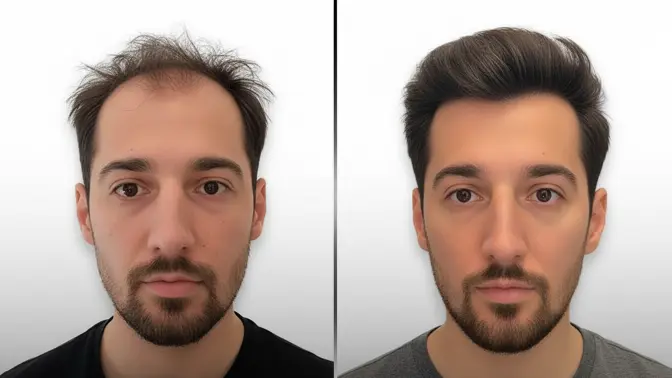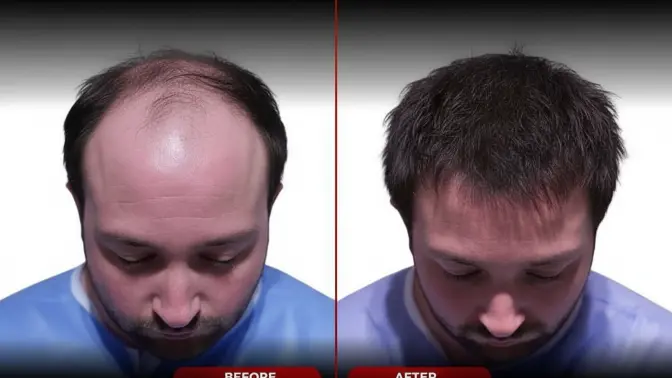
Hair Transplant Before and After: Realistic Expectations and Timeline
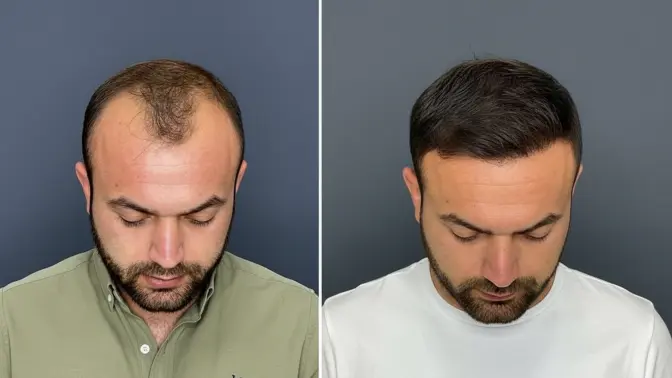
Complete guide to hair transplant before and after results. Learn what to expect at each stage, realistic timelines, and how to maximize your results. Understand the transformation process from day one to final results.
Understanding what to expect before, during, and after a hair transplant is crucial for patient satisfaction and proper recovery. The transformation process involves several distinct phases, each with its own characteristics and timeline. This comprehensive guide walks you through the entire journey, from pre-operative preparation through final results, helping you set realistic expectations and understand what's normal at each stage of your hair transplant journey.
PRE-OPERATIVE PREPARATION
Before your procedure, you'll undergo a thorough consultation where your surgeon evaluates your hair loss pattern, donor area, and overall candidacy. Pre-operative photos are taken to document your baseline condition. You'll receive instructions about medications to avoid (like blood thinners), smoking cessation, and dietary guidelines. The day before surgery, you may be asked to wash your hair with a special shampoo. Proper preparation sets the foundation for optimal results and smooth recovery.
IMMEDIATE POST-OPERATIVE PERIOD (DAYS 1-7)
Right after surgery, you'll see the transplanted grafts in place, giving you a preview of your new hairline. The scalp will be red and may have some swelling, particularly around the forehead and eyes (peaking around day 3-4). Small scabs will form around each graft. During this period, it's crucial to follow aftercare instructions meticulously: sleep with your head elevated, avoid touching the grafts, and use prescribed medications. The grafts are most vulnerable during this time, so careful protection is essential.
THE SHEDDING PHASE (WEEKS 2-4)
Between weeks 2-4, the transplanted hair will begin to shed. This is completely normal and expected—it's part of the natural hair growth cycle. The hair shafts fall out, but the follicles remain alive beneath the skin. This phase can be concerning for patients who don't understand it's normal, but it's actually a positive sign that the grafts are healing properly. After shedding, the scalp will look similar to before the procedure, which is temporary.
THE DORMANT PHASE (MONTHS 1-3)
Months 1-3 are often called the "ugly duckling" phase. The transplanted area may look unchanged or even worse than before, as the grafts are dormant and no new hair is visible yet. This is the most challenging period psychologically, as patients may worry that the procedure didn't work. However, beneath the surface, the follicles are healing and preparing for new growth. Patience during this phase is crucial—new growth is coming.
EARLY GROWTH (MONTHS 3-6)
Around month 3-4, you'll begin to see the first signs of new hair growth. Initially, the hair may be fine and sparse, but it will gradually thicken and darken. Growth is typically uneven at first, with some areas growing faster than others. By month 6, most patients see significant improvement, with 40-60% of final results visible. The new hair may initially be curly or have different texture, which usually normalizes over time.
SIGNIFICANT GROWTH (MONTHS 6-9)
Months 6-9 show substantial progress, with 60-80% of final results becoming visible. The hair continues to thicken, and the transplanted area becomes more defined. Hair texture and color continue to normalize, matching your natural hair more closely. This is when most patients begin to feel confident about their results. The transformation becomes clearly visible, and you can start styling your hair more normally.
"Patience is the key to hair transplant success. The most dramatic improvements occur between months 6-12, making the wait worthwhile for those who stay patient."
FINAL RESULTS (MONTHS 12-18)
Full results are typically visible by month 12-18. By this time, all transplanted hair has grown in, thickened, and matured. The hair should look completely natural, matching your existing hair in texture, color, and growth direction. Final density is established, and you can style, cut, and treat the transplanted hair exactly like your natural hair. Some patients may see continued improvement up to 18 months, though most results are complete by 12 months.
FACTORS AFFECTING RESULTS
Several factors influence your before-and-after transformation. The number of grafts transplanted, your natural hair characteristics (thickness, color, texture), your age, overall health, and adherence to aftercare instructions all play roles. Patients with thicker, darker hair often see more dramatic visual improvements. Those who follow post-operative care instructions meticulously typically achieve better graft survival and results.
MAXIMIZING YOUR RESULTS
To maximize your before-and-after transformation, follow all post-operative instructions carefully, maintain a healthy lifestyle, protect your scalp from sun damage, and consider complementary treatments like PRP or medications if recommended by your surgeon. Regular follow-up appointments allow your surgeon to monitor progress and address any concerns. Remember that results take time—being patient and realistic about timelines helps ensure satisfaction with your transformation.