The Science Behind Healthy Hair: What You Need to Know
Discover the scientific principles behind healthy hair growth and maintenance. Learn about hair follicle biology, growth cycles, and factors that influence hair health. Expert insights from our hair transplant clinic.
Understanding the science behind healthy hair is fundamental to making informed decisions about hair care and hair restoration. Hair growth involves complex biological processes that are influenced by genetics, hormones, nutrition, and environmental factors. This comprehensive guide explores the scientific principles of hair biology, growth cycles, and the factors that determine hair health. At Özlem Damar Hair Transplant Clinic, we combine scientific knowledge with clinical expertise to provide our patients with evidence-based hair restoration solutions.
1. Hair Follicle Anatomy and Structure
The hair follicle is a complex organ that serves as the foundation for hair growth. Each follicle consists of several key components: the papilla (which contains blood vessels that nourish the hair), the matrix (where cell division occurs), and the bulb (the base of the follicle). The follicle also contains sebaceous glands that produce natural oils to keep hair moisturized. Understanding this structure is crucial because hair transplant procedures involve carefully extracting and transplanting these entire follicular units to ensure successful growth in the recipient area.
2. The Hair Growth Cycle
Hair growth occurs in three distinct phases: anagen (growth phase), catagen (transition phase), and telogen (resting phase). The anagen phase lasts 2-7 years and is when active hair growth occurs. During catagen, which lasts 2-3 weeks, the hair follicle shrinks and detaches from the papilla. The telogen phase lasts 2-4 months, after which the hair falls out and the cycle begins again. At any given time, approximately 85-90% of your hair is in the anagen phase, 1-2% in catagen, and 10-15% in telogen. Disruptions to this cycle can lead to hair loss.
3. Genetic Factors in Hair Health
Genetics play a significant role in determining hair characteristics, including texture, color, density, and susceptibility to hair loss. Androgenetic alopecia, or pattern baldness, is primarily genetic and affects both men and women. The condition is influenced by the presence of dihydrotestosterone (DHT), a hormone derived from testosterone. Individuals with a genetic predisposition have hair follicles that are sensitive to DHT, causing them to shrink and produce thinner, shorter hairs over time. Understanding your genetic predisposition helps in planning effective hair restoration strategies.
4. Hormonal Influences on Hair Growth
Hormones significantly impact hair growth and health. Testosterone and its derivative DHT can cause hair loss in genetically susceptible individuals. Thyroid hormones regulate metabolism and can affect hair growth cycles—both hypothyroidism and hyperthyroidism can lead to hair loss. Estrogen levels also influence hair health, which is why women may experience hair changes during pregnancy, menopause, or when using hormonal contraceptives. Cortisol, the stress hormone, can also disrupt hair growth cycles when levels remain elevated for extended periods.
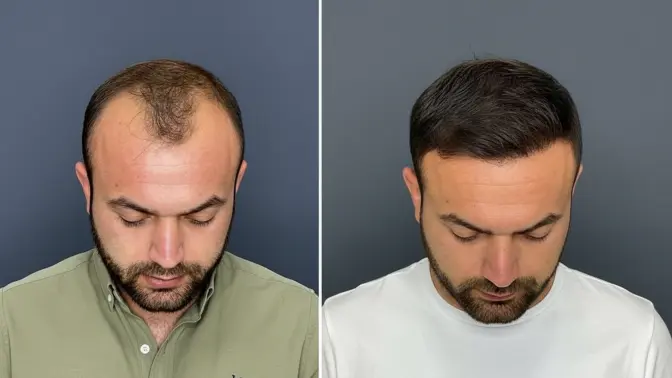
"Understanding the science of hair growth empowers you to make informed decisions about hair care and restoration, leading to better outcomes and realistic expectations."
NUTRITION AND HAIR HEALTH
Nutrition plays a crucial role in hair health and growth. Hair follicles require adequate protein, as hair is primarily composed of keratin, a protein. Essential vitamins and minerals support various aspects of hair growth: biotin supports keratin production, iron carries oxygen to hair follicles, zinc aids in tissue growth and repair, and vitamin D helps create new hair follicles. Deficiencies in these nutrients can lead to hair thinning, slow growth, or hair loss. A balanced diet rich in lean proteins, fruits, vegetables, and whole grains provides the foundation for healthy hair.
At Özlem Damar Hair Transplant Clinic, we provide nutritional guidance as part of our comprehensive hair restoration approach. Our team can help identify nutritional deficiencies and recommend dietary adjustments or supplements to support optimal hair health and enhance transplant results.
ENVIRONMENTAL FACTORS
Environmental factors can significantly impact hair health. UV radiation from sun exposure can damage hair proteins and cause dryness and brittleness. Pollution and environmental toxins can accumulate on the scalp and hair, potentially affecting follicle health. Hard water with high mineral content can leave deposits on hair, making it dull and difficult to manage. Chemical treatments, excessive heat styling, and harsh hair products can damage the hair shaft and potentially affect follicle health. Protecting your hair from these environmental stressors is essential for maintaining healthy hair.
SCALP HEALTH AND HAIR GROWTH
A healthy scalp is fundamental to healthy hair growth. The scalp provides the environment in which hair follicles function, and issues like dandruff, seborrheic dermatitis, or scalp infections can disrupt hair growth. Proper scalp hygiene, balanced sebum production, and adequate blood circulation all contribute to optimal follicle function. Scalp massage can improve circulation and may support hair growth. During hair transplant procedures, maintaining scalp health is crucial for successful graft survival and growth.
The science behind healthy hair is complex and multifaceted, involving genetics, hormones, nutrition, and environmental factors. Understanding these principles helps you make informed decisions about hair care and restoration. At Özlem Damar Hair Transplant Clinic, we combine scientific knowledge with advanced techniques to provide personalized hair restoration solutions. Whether you're considering a hair transplant or seeking to improve your hair health, our expert team uses evidence-based approaches to help you achieve the best possible results.