Hair Transplant Success Rate: Key Factors That Determine Results

Learn about hair transplant success rates and the key factors that influence procedure outcomes. Discover what contributes to successful hair restoration and how to maximize your chances of achieving optimal results.
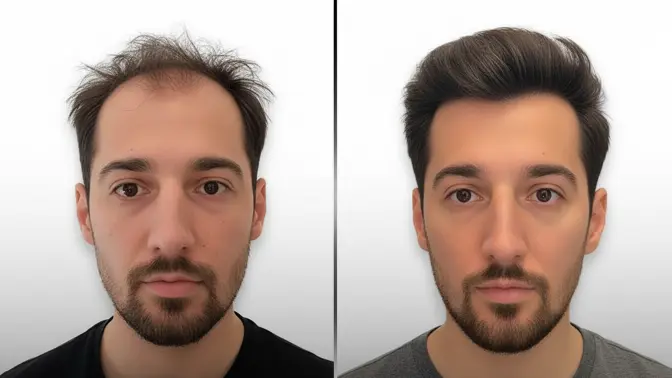
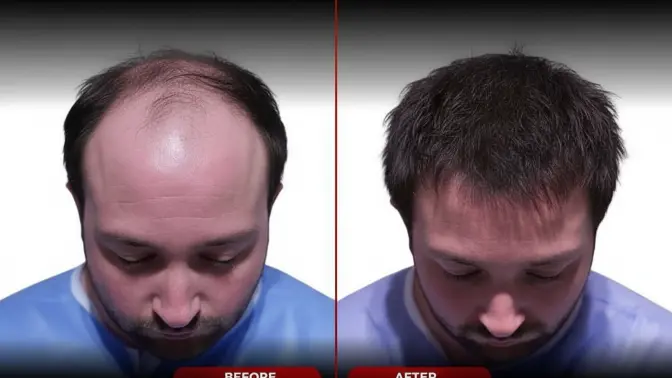
Hair transplant success rates are generally very high, with modern techniques achieving graft survival rates of 90-95% or higher. However, success isn't just about graft survival—it's about achieving natural-looking, long-lasting results that meet patient expectations. Understanding the factors that influence success helps you make informed decisions and take steps to maximize your chances of optimal outcomes. This guide covers the key elements that determine hair transplant success.
SURGEON EXPERIENCE AND SKILL
The surgeon's experience and skill level are perhaps the most critical factors in hair transplant success. An experienced surgeon understands proper graft extraction techniques, optimal placement angles, and how to maximize donor area utilization. They can also identify and avoid potential complications. When choosing a surgeon, look for someone with extensive experience, proper credentials, and a portfolio of successful results. At Özlem Damar Hair Transplant Clinic, our surgeons have years of experience and thousands of successful procedures.
PATIENT CANDIDACY
Not everyone is an ideal candidate for hair transplant procedures. Good candidates typically have stable donor areas with sufficient hair density, realistic expectations, and good overall health. Factors like age, extent of hair loss, hair characteristics (texture, color, curl), and underlying medical conditions all influence candidacy. A thorough consultation helps determine if you're a suitable candidate and what results you can realistically expect.
TECHNIQUE SELECTION
Choosing the right technique (FUE vs DHI) for your specific situation impacts success. FUE is excellent for most cases and offers high success rates with minimal scarring. DHI may be preferred for patients requiring maximum density or those with specific hair characteristics. The choice depends on factors like your hair loss pattern, donor area quality, and desired outcomes. An experienced surgeon will recommend the best technique for your individual case.
POST-OPERATIVE CARE
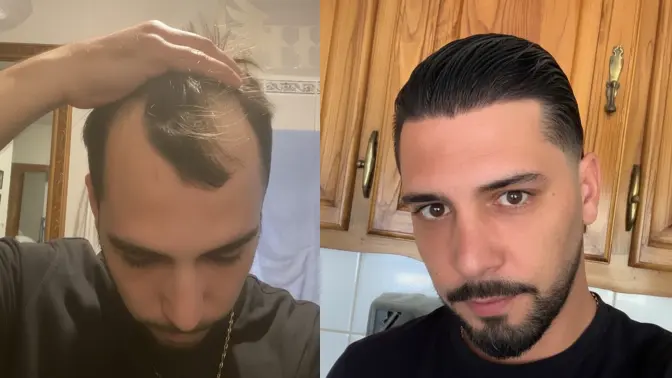
Proper aftercare significantly influences hair transplant success. Following your surgeon's post-operative instructions is crucial for optimal healing and graft survival. This includes proper washing techniques, protecting the transplanted area, avoiding activities that could damage grafts, taking prescribed medications, and attending follow-up appointments. Neglecting aftercare can compromise results, even with a perfectly performed procedure.
GRAFT HANDLING AND STORAGE
How grafts are handled during the procedure directly affects survival rates. Grafts must be extracted carefully, stored in appropriate solutions, and implanted promptly to maintain viability. Experienced clinics use specialized techniques and solutions to preserve grafts during the procedure. The time between extraction and implantation should be minimized, and grafts should never be allowed to dry out.
"Success in hair transplantation is a combination of surgical skill, proper technique, patient candidacy, and meticulous aftercare—all working together to achieve optimal results."
PATIENT HEALTH AND LIFESTYLE
Overall health and lifestyle factors can influence hair transplant success. Good nutrition, adequate sleep, and avoiding smoking and excessive alcohol consumption support optimal healing. Certain medical conditions or medications may affect results. It's important to disclose your complete medical history during consultation so your surgeon can account for any factors that might impact your procedure.
REALISTIC EXPECTATIONS
Having realistic expectations is crucial for perceived success. A hair transplant can significantly improve your appearance and restore hair, but it won't give you the hair you had at age 18. Understanding what's achievable based on your specific situation helps ensure satisfaction with results. An experienced surgeon will discuss realistic outcomes during your consultation.